
image
image

Words Of Wisdom

blog1

Healing is 100% Possible!

You are just one step away from healing and that step is your choice.

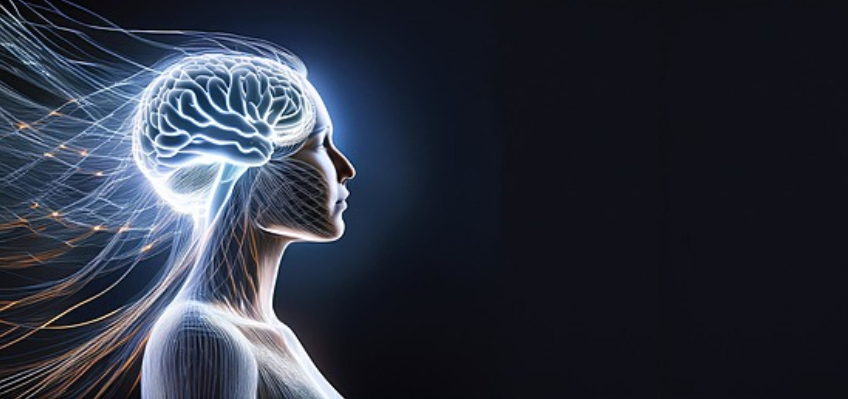
Your choice whether you want to heal your life or you want to continue suffering totally depends on you. And my friend you can change or chose healing at any point of your age through “Neuroplasticity” which means the brain's lifelong ability to reorganize/rebuilt its structure, functions, and neural connections in response to new learning, experience, or rewiring itself with neurons. It is a dynamic process—not hard-wired—that allows neurons to form new pathways, strengthening or weakening connections based on stimuli.

Let me explain this with few examples:

Learning New Skills: Developing musical talent, learning a new language, or any dance form which strengthens corresponding brain areas.
Habit Formation: Developing daily habits like sleeping on time, eating homemade food or doing exercise daily by strengthening specific neural pathways through repetition and breaking the old ones by making those pathways dormant. ( not active )

Not only this Addiction Reversal is also possible through Neuroplasticity.

Addiction reversal is possible because the same neuroplasticity that allowed the brain to "learn" an addiction also allows it to "unlearn" it and build healthy new pathways. While addiction damages areas like the prefrontal cortex (self-control) and the reward system, these areas are remarkably malleable and can reorganize through sustained effort.

What do you think now?

Is healing possible even at the age of 60.

I think you know the answer.
blog2

Neural Pathways can be reversed

Neural Pathways: The Invisible Roads That Shape Your Life

Every thought you think, every emotion you feel, and every habit you repeat travels through a network inside your brain called neural pathways. These pathways are like invisible roads carrying messages between different parts of your brain and body.

The most fascinating part?

You are constantly strengthening, weakening, and rebuilding these pathways through your daily actions, thoughts, emotions, and experiences unknowingly.

What Are Neural Pathways?

Neural pathways are connections formed by neurons (brain cells) that communicate with each other through electrical and chemical signals.

Whenever you:

  • Think a thought
  • Learn a skill
  • React emotionally
  • Practice meditation
  • Repeat a habit

…your brain activates specific neural pathways.

The more often a pathway is used, the stronger and faster it becomes.

Your Brain Learns Through Repetition

Your brain is designed to save energy.

That’s why repeated behaviors become automatic over time. They become your autopilot mode.

For example:

  • Repeating negative thoughts strengthens anxiety pathways
  • Repeating gratitude strengthens calm and positivity pathways
  • Practicing discipline strengthens self-control pathways
  • Regular meditation strengthens awareness and emotional balance

This is called neuroplasticity — the brain’s ability to rewire itself.

Your brain is not fixed.

It changes according to what you repeatedly practice.

Why Some Habits Feel So Hard to Break

Many people think they lack willpower.

In reality, they are simply running old neural programs.

When a habit is repeated for years, the pathway becomes deeply wired. Your brain starts choosing it automatically because it feels familiar and efficient.

That is why:

  • Overthinking becomes automatic
  • Stress reactions repeat themselves
  • Emotional eating keeps returning
  • Negative self-talk feels normal

The brain follows the strongest pathway available.

But the beautiful truth is:

Any pathway that was created can also be changed.

How to Create New Neural Pathways

1. Repetition Creates Rewiring

Small actions done consistently are more powerful than occasional motivation.

बार बार करने से!

Daily repetition teaches the brain:

“This pathway matters.”

2. Meditation Helps Reset the Brain

Meditation slows mental noise and increases awareness.

Instead of reacting unconsciously, you begin observing your thoughts and emotions.

Over time, this weakens unhealthy patterns and strengthens peaceful, conscious responses.

3. Breathwork Regulates the Nervous System

Pranayam and conscious breathing help calm stress signals in the body and brain.

A calm nervous system creates space for healthier neural responses instead of impulsive reactions.

4. Your Environment Matters

The people you surround yourself with, the content you consume, and the energy you live in all influence your neural conditioning.

Your brain absorbs repetition from your surroundings.

And why Neural Pathways are important because your brain likes to follow the path of least resistance, so that it can work effectively.

blog3

Pranayam can heal your Gut!

Yes, Pranayam Can Help Heal Your Gut Health

Most people think gut health depends only on food.

But your gut is deeply connected to your nervous system, emotions, stress levels, and breathing patterns.

This is why many people eat healthy yet still struggle with:

  • Bloating
  • Acidity
  • Constipation
  • Poor digestion
  • IBS symptoms
  • Inflammation
  • Stress eating

The gut doesn’t only react to what you eat.

It also reacts to how you live, think, breathe, and feel.

The Gut–Brain Connection

Your gut and brain are constantly communicating through the nervous system, especially the vagus nerve — one of the most important pathways connecting the brain to the digestive organs.

When you are stressed:

  • Digestion slows down
  • Gut inflammation increases
  • Acid levels change
  • Nutrient absorption gets affected
  • Cravings and emotional eating rise

Chronic stress keeps the body in “fight or flight” mode, where healing and digestion become secondary.

This is where pranayam becomes powerful.

How Pranayam Supports Gut Healing

1. Activates the Relaxation Response

Deep conscious breathing activates the parasympathetic nervous system — the “rest and digest” state.

This helps the body:

This helps the body:

Relax the digestive tract

Improve digestion

Reduce stress-related gut issues

Calm inflammation responses

2. Improves Oxygen Supply

Pranayam increases oxygen circulation throughout the body, helping organs function more efficiently, including the digestive system.

3. Reduces Stress & Emotional Tension

Many gut problems are linked to suppressed emotions, anxiety, overthinking, and nervous system imbalance.

Breathwork helps regulate emotional energy stored in the body.

4. Supports Better Bowel Movement

Certain breathing techniques gently stimulate abdominal muscles and improve circulation around digestive organs, supporting healthier elimination.

Healing the Gut Is More Than Dieting

Gut healing is not just:

  • Cutting gluten
  • Drinking detox water
  • Taking supplements

Real healing also requires:

  • Nervous system regulation
  • Emotional balance
  • Better sleep
  • Reduced stress
  • Conscious breathing

Your body heals best when it feels safe.

blog4

Breathing is the fastest Neuro science technique.

Breathing is the “Fastest Neuroscience Technique “

How?

Let me explain:

Your breaths is the only activity of your autonomic nervous system which you can control rest other activities you cannot control like digestion, blood pressure etc.

Your breath directly affects:

  • Heart rate
  • Stress hormones
  • Brain activity
  • Emotional state
  • Focus and clarity

Through Breath Emotion Loop

Means your breath has direct impact on your emotions and your emotions have a direct impact on your breath.

Lets do one simple activity here:

Step one watch your breaths and see till where your breaths are reaching in your body.
Step 2 take a long deep breath till your lower belly and watch how you feeling now.

Can you notice a change in the way you feel right now? Can you feel the sudden calmness and relaxation in your entire body?

This is the impact I am talking about.

The moment your breaths become long and deep it activates the parasympathetic response of the nervous system which is rest/ relax/ digest.

Which immediately settles down your negative emotions and within a glimpse you start feeling relaxed.

This is why pranayam and breathwork are now being studied in neuroscience for their effects on:

  • Anxiety reduction
  • Emotional regulation
  • Focus and cognition
  • Nervous system balance
  • Sleep quality
  • Stress recovery

Breathing is not just survival.

It is communication between the body and the brain.

A few conscious breaths can shift your mental state faster than most people realize.

Breathing is the remote control of your nervous system.

Join me and reconnect with your mind, body & breath

blog5

Kya hai Meditation, aaiye aaj samajhte hai

Meditation sirf aankhein band karke baithna nahi hai.

Meditation ek state hai jahan:

  • mind dheere dheere calm hota hai
  • thoughts ka noise kam hota hai
  • awareness badhti hai
  • aur aap present moment me aate ho

Ye mind ko forcefully blank karna nahi hai.

Ye apne thoughts, emotions aur breath ko consciously observe karna hai without reacting.

Meditation:

  • >nervous system ko relax karta hai
  • >stress hormones ko reduce karta hai
  • >emotional balance improve karta hai
  • >focus aur clarity badhata hai
  • >inner peace create karta hai

Jab aap regular meditation karte ho, brain me naye neural pathways bante hain jo calmness, patience aur emotional strength ko support karte hain.

Lekin kya pehli hi baar mai meditation krna aa jata hai?

Nahi.

Jaise gym ka first workout perfect nahi hota, waise hi meditation bhi pehli baar me naturally nahi aata.

Shuru me:

  • mind bahut bhatakta hai
  • thoughts zyada aate hain
  • patience kam hota hai
  • body restless feel karti hai

Aur ye completely normal hai.

Meditation “thoughts band karna” nahi hai.

Meditation baar baar awareness me wapas aana hai.

Har baar jab aap:

  • breath par focus wapas laate ho
  • present moment me return karte ho
  • bina react kiye observe karte ho

…tab aap apne brain ko train kar rahe hote ho.

Consistency se:

  • nervous system calm hota hai
  • focus improve hota hai
  • emotional reactions kam hoti hain
  • meditation naturally deeper hone lagta hai

“Pehli baar me meditation nahi aata. Pehli baar me sirf awareness shuru hoti hai. Meditation practice nahi… ek journey hai.”

WhatsApp

Call Now